
Dry Cooling Towers
HOME >
PRODUCTS
> DRY COOLING TOWERS
Dry Cooling Towers
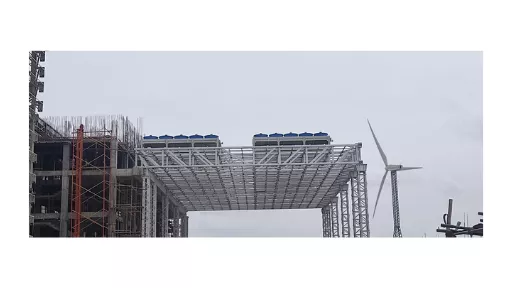
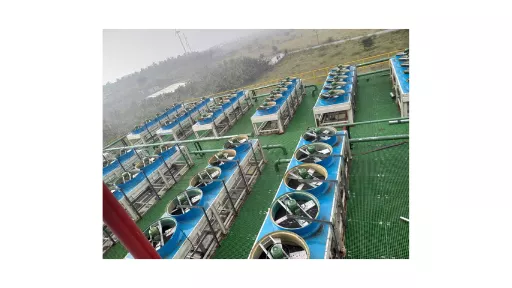
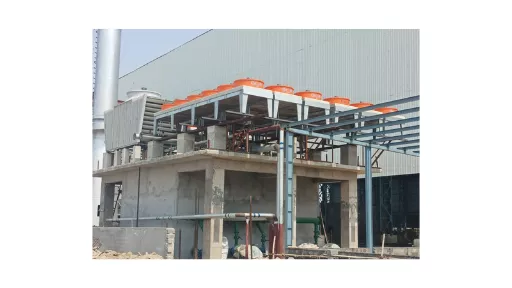
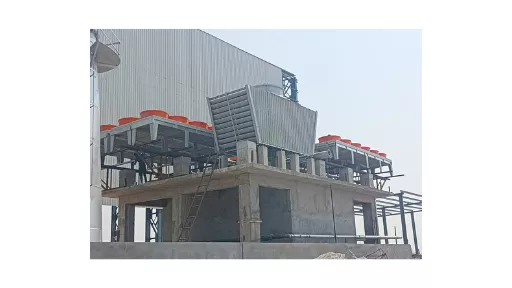
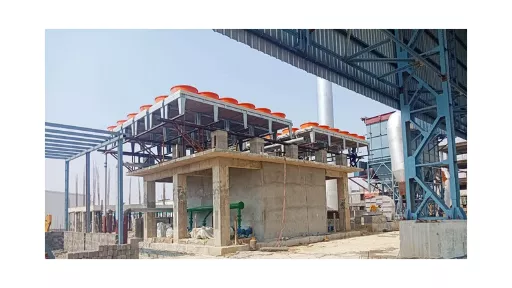
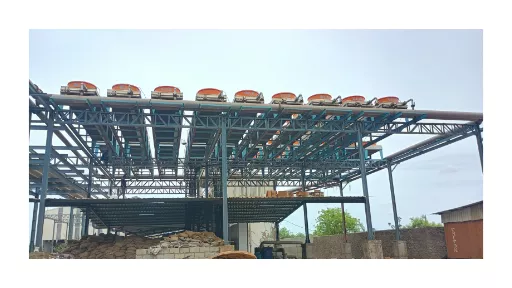
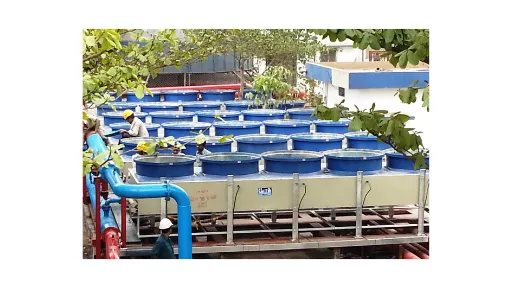
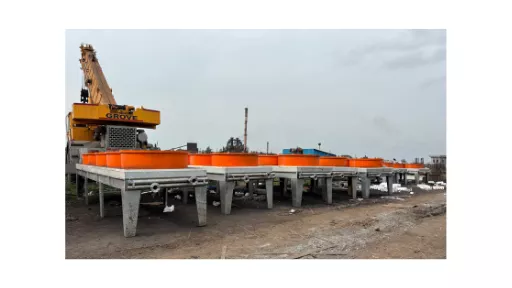
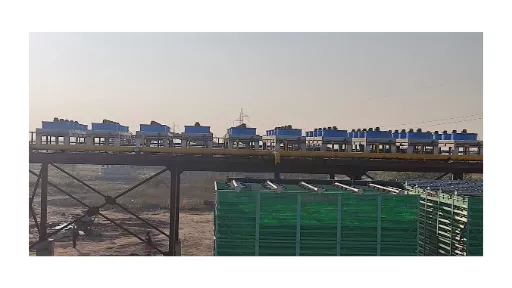
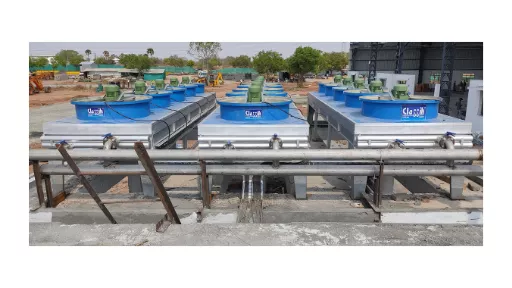
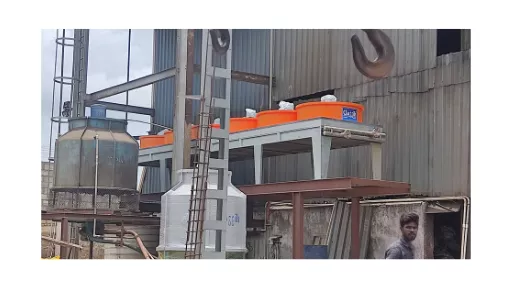
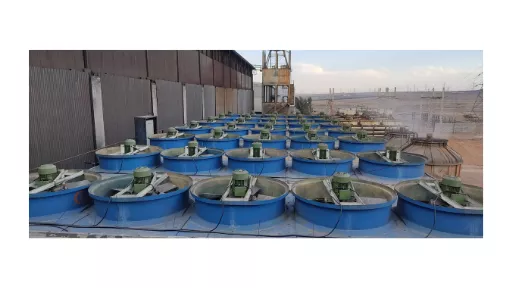
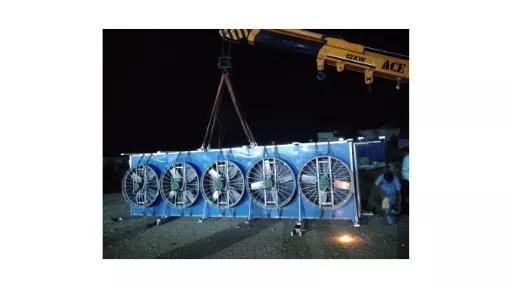
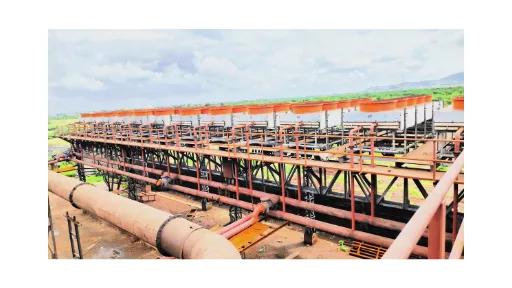
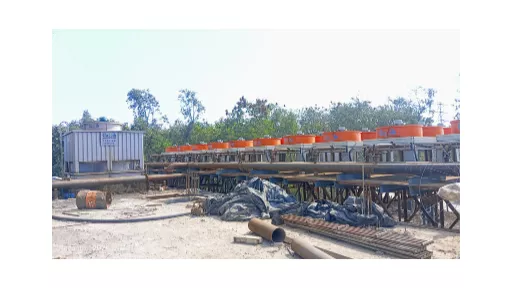
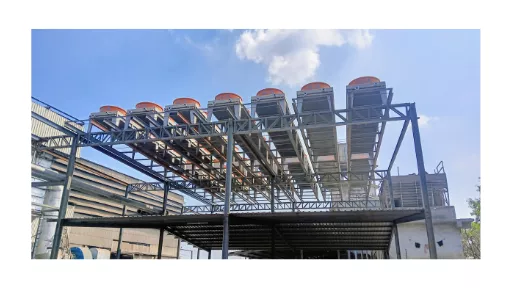
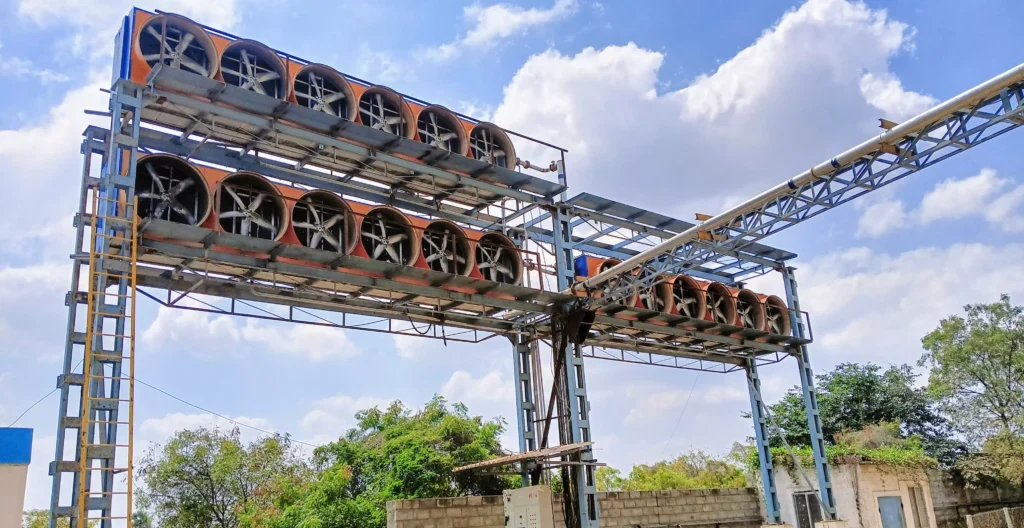
Dry Cooling Towers operate on the principle of air-cooled heat exchange, where hot fluid passes through finned tubes and is cooled by ambient air forced through fans. Unlike traditional cooling towers, they do not rely on water evaporation, significantly reducing water consumption and maintenance requirements.
These systems are ideal for industries looking for sustainable cooling solutions with minimal environmental impact while ensuring consistent thermal performance.
Key Features of Our Cooling Towers
Water Free Operation
Eco Friendly Design
Low Maintenance
Energy Efficient Fans
Compact and Modular Design
Corrosion-Resistant Materials
Why Choose Altomar Cooling Towers?
With years of expertise in industrial cooling solutions, we deliver systems that are engineered for performance, durability, and efficiency. Our team ensures customized solutions tailored to your specific operational requirements.
Industry Expertise
Custom Design Solutions
Quality Assured Materials
Timely Delivery
Technical Support
Looking for an Efficient Cooling Solution?
Get in touch with our experts today to find the perfect cooling system for your industry.
Applications
Dry Cooling Towers are widely used in:
Benefits of Dry Cooling Towers
Water Conservation
Eliminates water evaporation loss and reduces overall water consumption.
Energy Efficient
Optimized fan systems ensure efficient cooling with lower power usage.
Low Maintenance
No scaling, fouling, or water treatment requirements reduce maintenance costs
Eco-Friendly Operation
Environmentally sustainable cooling solution with minimal resource usage
Reliable Industrial Performance
Provides stable and continuous cooling for demanding industrial applications
Corrosion Resistance
Built with durable materials for long-lasting performance in harsh environments.
Compact Design
Space-saving modular construction allows easy installation and expansion.
Reduced Operating Cost
Lower water and maintenance expenses improve overall operational efficiency.
Gallery